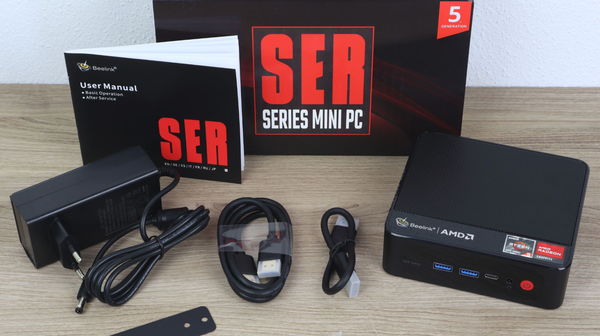
Setting up the storage my homelab needed
I thought setting up the SER5 meant installing Docker and running services. Then 400 GB of family photos made me take storage and backups more seriously.
I thought setting up the SER5 meant installing Docker and running services. Then 400 GB of family photos made me take storage and backups more seriously.
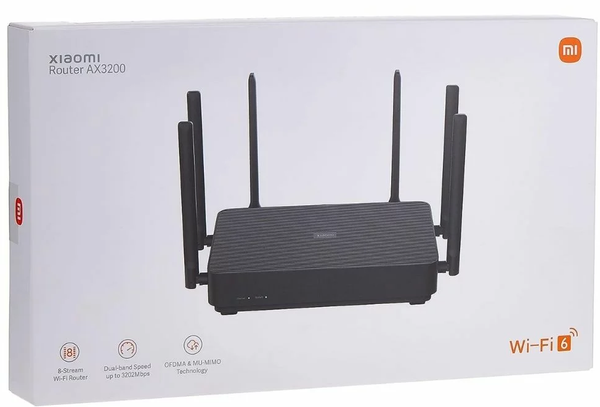
My ISP router kept slowing down the house. Replacing it with a second-hand Xiaomi and OpenWrt gave me a more stable network, after one stressful evening offline.

I had been interested in having a homelab for years, but hardware is not cheap and I had never found a reason strong enough to commit to it. Then I had two.

Gaming kept sending me back to Windows. After almost twenty years of trying Linux, Bazzite finally removed the reason to leave.
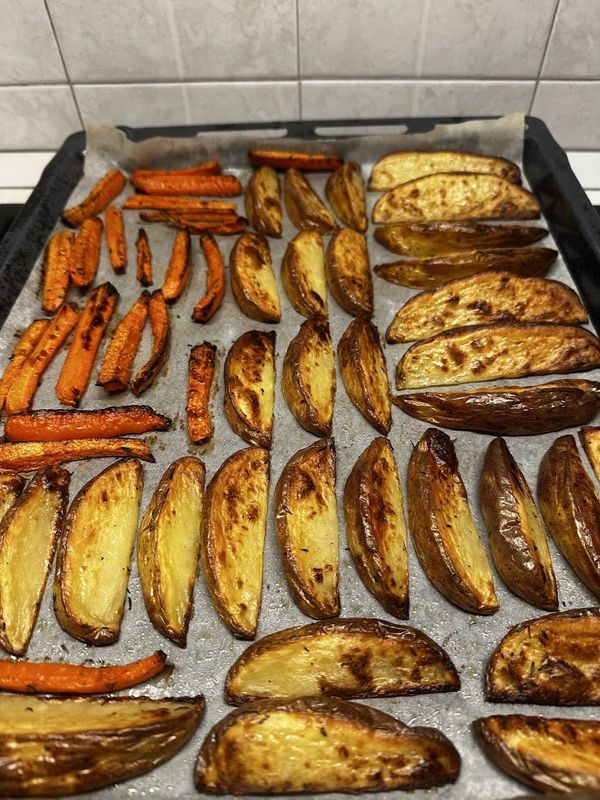
How I use AI to adapt recipes, build weekly shopping lists, and remove enough planning friction to cook for my family three times a week.
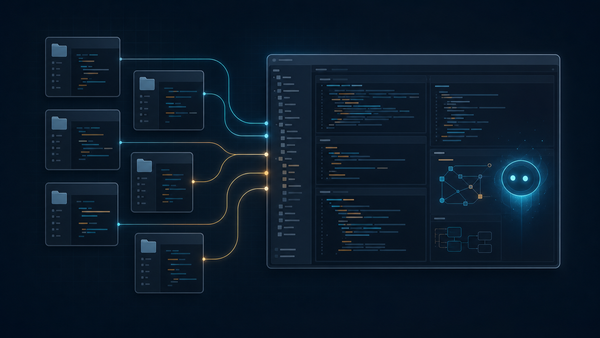
I thought better prompts were the answer. The real problem was that my AI assistant could not see enough of the system.
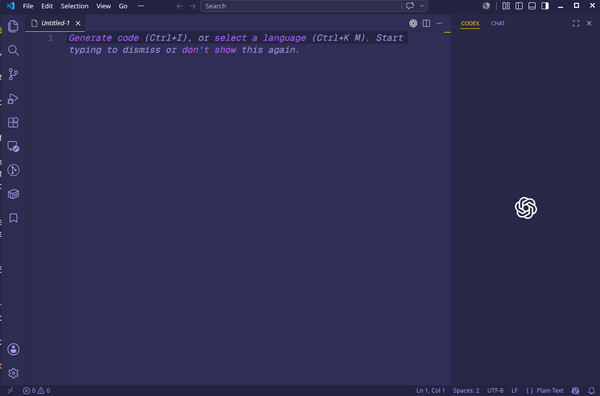
A broken Codex extension sent me through VS Code, Distrobox, and Flatpak before I realised the editor belonged inside the container.

I expected to build a TypeScript content factory. One AI interview later, I had a file-based system and a real Rooibos Italia post without writing an application.

I spent three days avoiding a $5 app before realising my existing homelab could sync Obsidian between Bazzite and iPhone.